

How Delayed Payments Can Ruin Your Credit Score
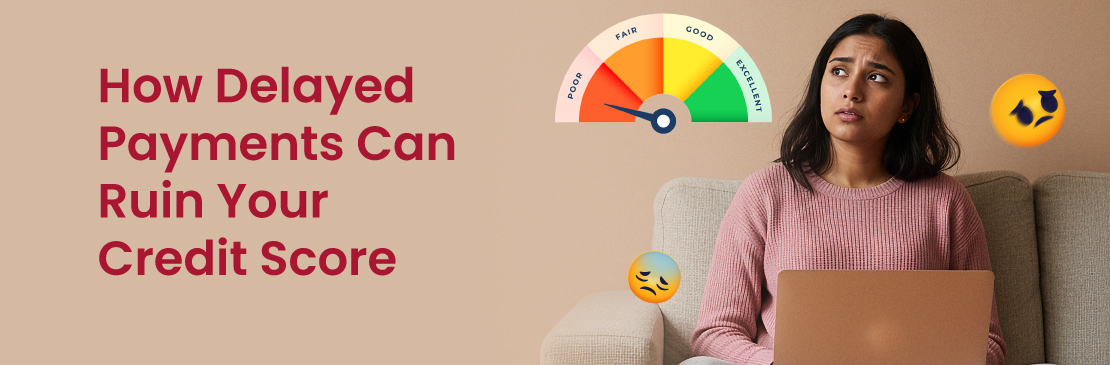
We’ve all done it. A bill arrives, and you think, “I’ll pay it tomorrow.” Tomorrow turns into next week, and before you know it, you’re hit with a late fee. While it might feel like just a small penalty, the ripple effects of delaying payments go far beyond a one-time fine. From draining your wallet to damaging your credit score, late payments can quietly become one of the costliest financial habits.
Here’s how:
Late Fees and Penalties
Most utility providers, banks, and credit card companies charge penalties for missed or delayed payments. A late credit card bill, for instance, doesn’t just attract a flat fee; it can also trigger higher interest rates on your balance. Miss an EMI on a loan, and the bank may charge additional interest or penal interest. Over time, these “small” charges pile up, cutting into money that could otherwise go into savings or investments.
The Silent Damage: Your Credit Score
One of the biggest hidden costs of delayed payments is the impact on your credit score. In India, your CIBIL score (or any other bureau score) reflects your repayment discipline. Just one late EMI can lower your score by 50–100 points, and rebuilding it takes time. Why does this matter? Because your credit score is the first thing lenders look at when you apply for a loan or even a new credit card.
To put that in real terms, consider the case study from the book ‘The Bee, The Beetle and the Money Bug.’ A man named Syed missed a small ₹250 credit card payment, and his score dropped from 844 to 726. That single slip meant he was quoted 9.3% on a home loan instead of 8.6%—a difference that cost him nearly ₹5.4 lakh over 20 years. A tiny lapse, but a huge long-term price.
Costlier Borrowing
A lower credit score doesn’t just reduce your chances of loan approval, it can also make borrowing more expensive. Banks may offer you loans at higher interest rates, demand larger down payments, or even reject your application altogether. Essentially, one missed payment today could make your dream home or car more difficult (and expensive) to finance tomorrow.
The Emotional Toll
Money stress has a way of spilling into everything else. Knowing you’re behind on bills or dealing with collection calls can add a layer of anxiety to daily life. Over time, this stress can affect decision-making, making it harder to focus on building wealth and planning ahead.
How to Avoid the Trap
Here’s the good news: Avoiding delayed payments is simple with the right habits.
-
Automate your payments for utilities, EMIs, and credit cards.
-
Keep reminders on your phone a few days before due dates.
-
Build a small buffer fund so that even in a cash crunch, your bills are covered.
Final Thoughts
Paying on time goes beyond just having good financial hygiene. It’s also a way to protect your future self. The cost of delayed payments is rarely just the late fee; it’s the opportunities you lose, the stress you carry, and the credibility you erode with lenders. Think of every on-time payment as an investment in your financial reputation…because that’s exactly what it is.

Do you have any questions? Write to us
.jpeg)