

Rainy Days Don’t Wait: Is Your Emergency Fund Ready?
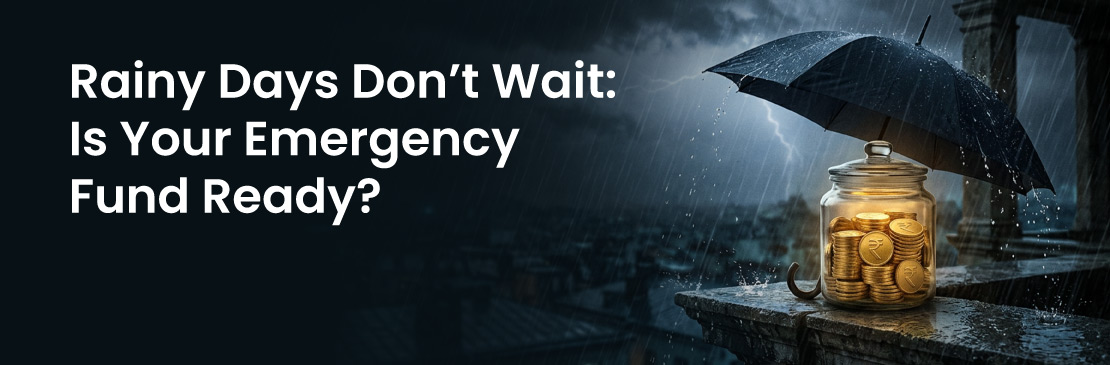
There’s something about the rainy season that reminds you how quickly plans can change. A clear morning can turn into flooded roads by evening. Commutes get delayed, changes in weather lead to health issues spiking, unexpected repairs show up…the list is endless.
Life, much like the weather, can change without warning. That’s where emergency funds come in. They’re not crucial because something will definitely go wrong, but because when it does, money shouldn’t be the reason things get harder.
The truth is, emergencies don’t come with warnings. Incidents like a sudden hospital visit, a job loss, a family emergency, a broken phone right before payday aren’t rare situations. They’re all a part of living. In those moments, breaking long-term investments or borrowing money at high interest can create even more stress.
An emergency fund acts like a financial buffer. In other words, it gives you room to breathe.
So, How Much Should You Save?
There’s no one-size-fits-all answer, but a simple starting point is aiming for at least 3 to 6 months of essential expenses. Here are some non-negotiables to account for:
-
Rent
-
Groceries
-
Bills
-
EMIs
-
Transport
-
Medical costs
If your monthly essentials are ₹25,000, your emergency fund should ideally be between ₹75,000 and ₹1.5 lakh. It sounds like a lot but it doesn’t have to happen overnight. Even small monthly contributions count because consistency matters more than speed.
Where Should You Keep It?
The whole point of an emergency fund is that it should be easy to access. It’s not money meant for “growth” or high returns; it’s meant for quick support. Some wise places to store it would be:
-
A separate savings account
-
A sweep-in FD
-
A liquid fund*
Simply put, the goal is to have a safe and accessible fund that’s separate from your everyday spending account. Because if it’s mixed with your regular money, chances are it’ll get spent.
What Actually Counts As An Emergency?
Not every sudden expense is an emergency. A sale on something you want or a last-minute vacation plan are not emergencies. An emergency is usually something urgent, necessary, and unplanned.
Some examples include:
-
Medical expenses
-
Sudden travel for family emergencies
-
Urgent home repairs
-
Temporary income loss
If you’re struggling to determine what counts as an emergency, a good rule is to ask yourself, “If I don’t spend on this right now, will it seriously affect my safety, health, or stability? If yes, it probably counts.
Common Mistakes People Make
The biggest mistake people make is waiting too long to start. Many people think emergency funds are only for people earning “enough.” But actually, they matter even more when money is tight.
Some other common pitfalls to avoid are:
-
Investing emergency money in risky assets
-
Using it for non-emergencies
-
Not rebuilding it after using it
Emergency funds are a solid reminder that you can’t control when life rains on your plans. But you can carry an umbrella.
*Disclaimer: Mutual Fund investments are subject to market risks, read all scheme related documents carefully.

Do you have any questions? Write to us